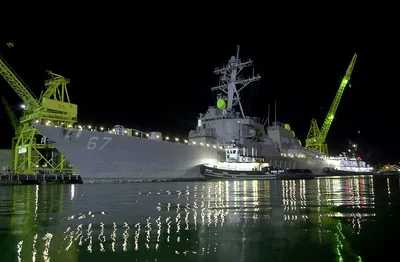
Commercial fleets, monitored at sea
Edge-native condition monitoring for engine room, propulsion, and onboard machinery — running aboard the vessel, with system health reported to shore.
Fewer off-hire days.
More time at sea.
Vessels spend weeks beyond reliable connectivity. StateBooks runs onboard, learns each machine's normal operating states without labeled failure data, and flags degradation early — so maintenance is planned ahead for the next port call, not forced by a breakdown.
From the engine room to the chiller
Main & auxiliary engines
Temperatures, pressures, vibration and fuel data fused into one health signal per engine.
Hybrid & battery propulsion
State-of-health tracking for energy storage systems.
Pumps, compressors & purifiers
Cross-machine comparison flags the unit drifting away from its sister equipment.
Shaftline & thrusters
Bearing and drive-train degradation surfaced well before a threshold alarm trips.
Built for limited bandwidth
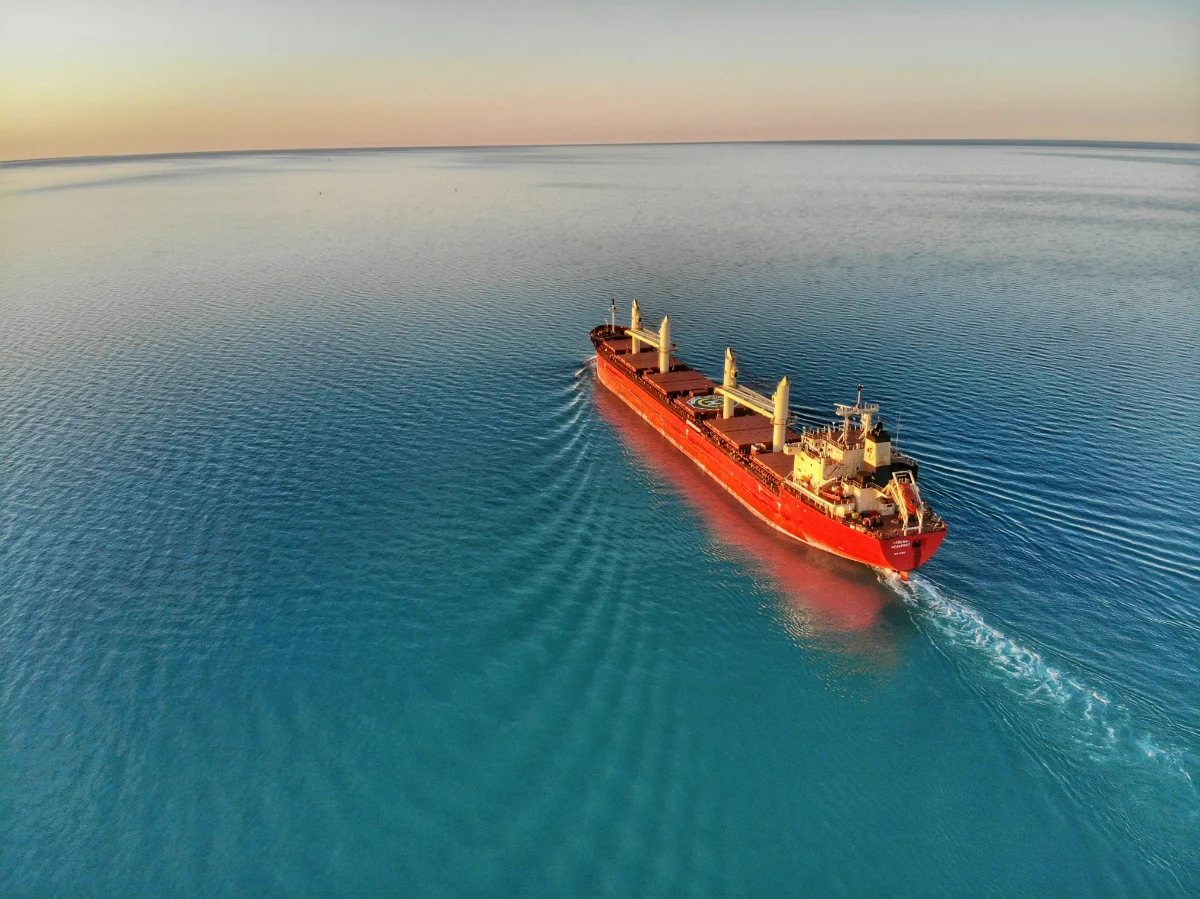
Runs aboard, offline
Inference happens on ruggedized edge hardware on the vessel — no shore connection needed to detect or explain a fault.
50–200x less data ashore
StateBook compression and alert-event streaming fit monitoring inside a satellite budget.
Learns the whole fleet
Federated learning shares model weights, not raw data, so the fleet ships improve each other.
Plain-language diagnosis
Faults isolated to the replaceable unit, with a maintenance recommendation the crew and shore team can act on.